
On July 18, I spent a whole day walking WAIC in Shanghai. From the West Bund in Xuhui, to Halls H1—H4 of the Expo Center, and then to the Expo Exhibition Hall — I covered every zone. On the way back, I kept wondering how to sum up the day. What stayed with me in the end wasn't some large model or some humanoid robot, but the game of chess I played that afternoon.
A Game of Chess Nobody Was Playing
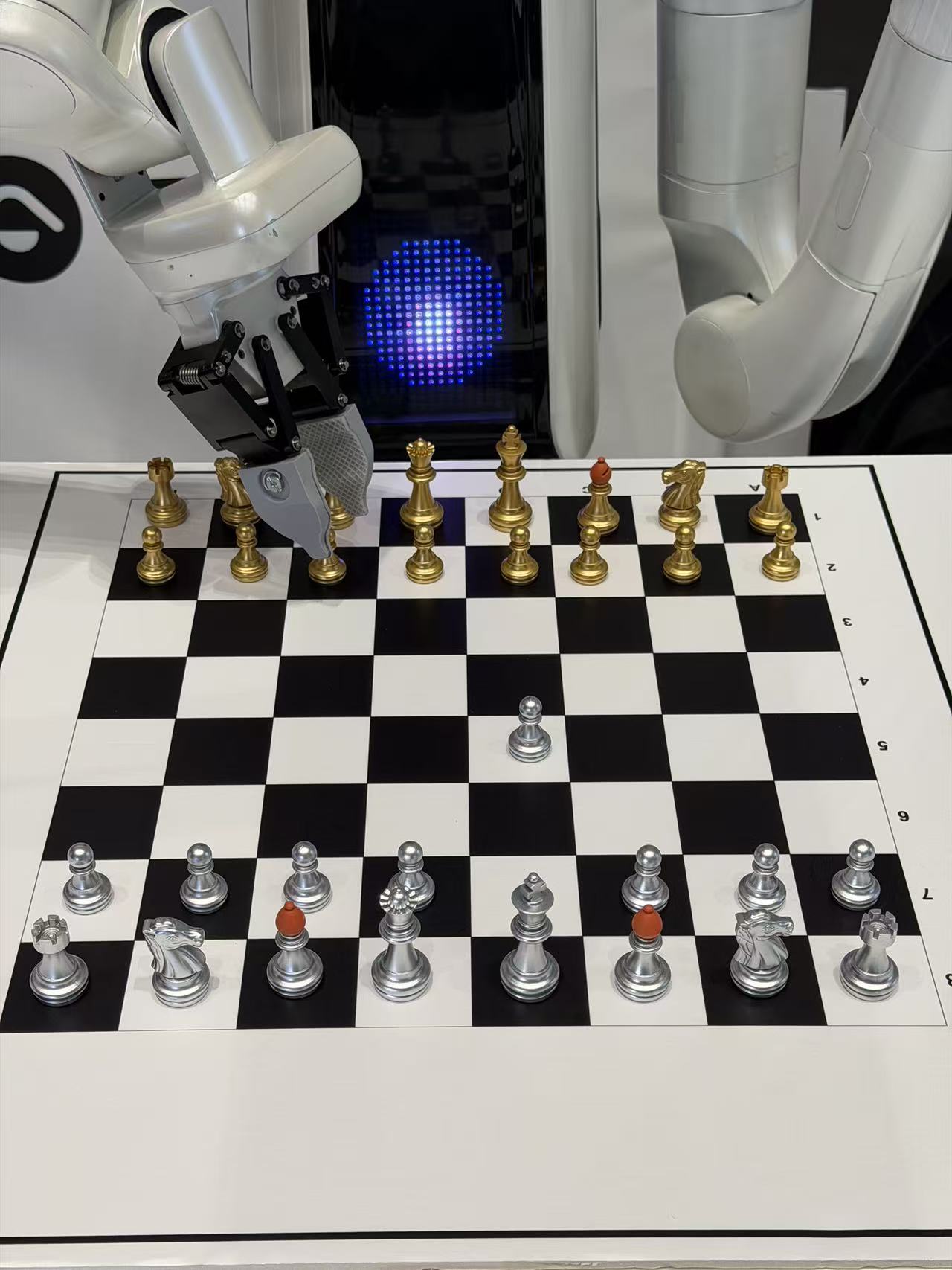
The expo zone had both a Chinese chess (xiangqi) robot and a chess robot side by side. In China, chess is a niche game to begin with. A crowd gathered around the xiangqi table, while the chess table stayed empty the whole time — nobody was playing.
I sat down.
The moment I started moving pieces, the foreign media standing nearby crowded over to film. For a moment I even wondered whether the organizers had never imagined anyone would actually sit down and use this chess robot. On that booth it was, first of all, a symbol to be looked at, and only second a machine waiting for an opponent.
About a dozen moves into the opening, I castled. It froze.
A staff member came over and explained, quite candidly: it doesn't support castling yet.
For readers unfamiliar with chess: castling is a basic rule. When the conditions are met, a player can move the king and a rook in the same turn, tucking the king away to safety and activating the rook quickly. It's not an obscure trick — it's an extremely common move in real games.
The robot froze not because the move was too hard, but because that rule had never been written into the system.
In that moment, I suddenly understood what this machine was actually doing: it wasn't playing chess with me — it was executing a script with gaps in it, and I happened to step outside the script.
It was the most honest demo I saw at WAIC.
Outside the Hall: The People Buying Symbols
More interesting than the exhibits were the visitors. I overheard two conversations on the floor.
The first. A told B that he had bought Zhipu's stock, and it had dropped 30% that day. Listening a bit longer, I realized A couldn't explain what an LLM is, let alone how it fundamentally works. He wasn't pricing a technology he understood — he was buying the two letters "AI." And after it fell 30%, he had no way to judge what exactly had fallen: commercialization missing expectations, open-source models squeezing margins, or pure market sentiment? He had no analytical framework, only a position.
The second. C showed D a newly bought AI voice recorder from some brand, saying it could run for 96 hours straight. D replied with one line: "What's the point? Isn't there Doubao?"
That line was lethal. At least in D's view, what C bought was hardware, while the value you actually feel lives in the model layer — and the model has already been installed, nearly free, into everyone's phone. The fact that the recorder maker touts battery life as its core selling point also says something from the side: for now, it hasn't built a clear enough edge in AI capability, so it has retreated to the spec war that traditional hardware knows well.
A man who buys stocks doesn't understand LLMs; a man who buys hardware gets flattened by a single "there's Doubao." This is the demand side outside the hall: people trade symbols, not understanding.
Inside the Hall: The People Selling Symbols
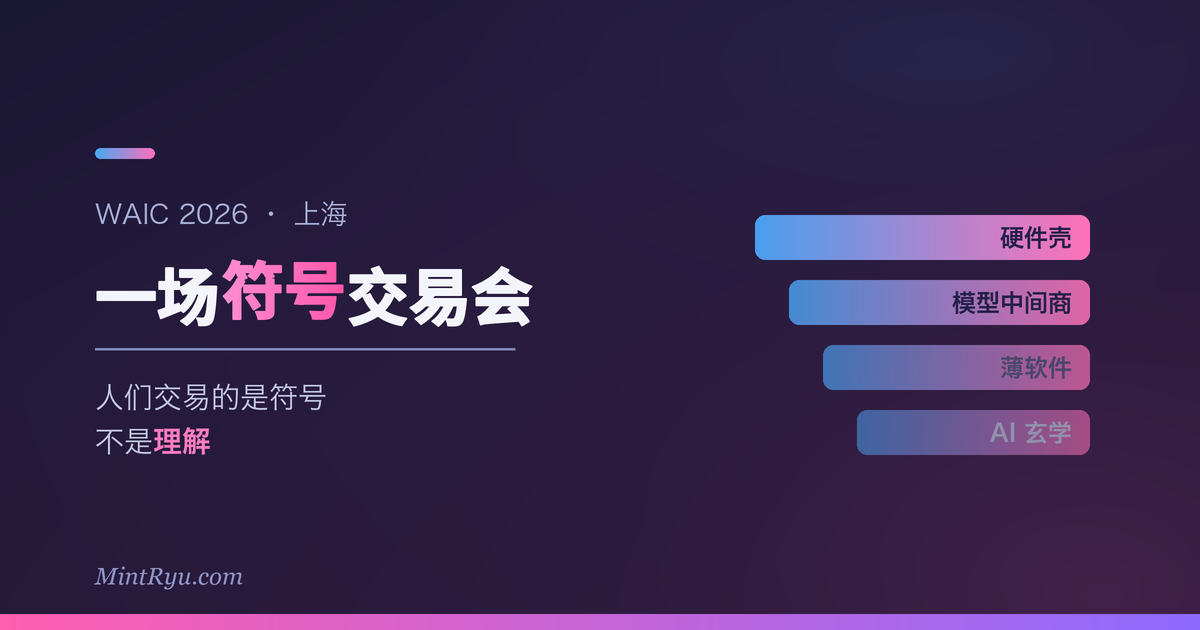
The supply side wasn't much better. After walking through every hall, I roughly sorted the products in the public exhibition areas into four layers.
Layer One: Hardware Shells
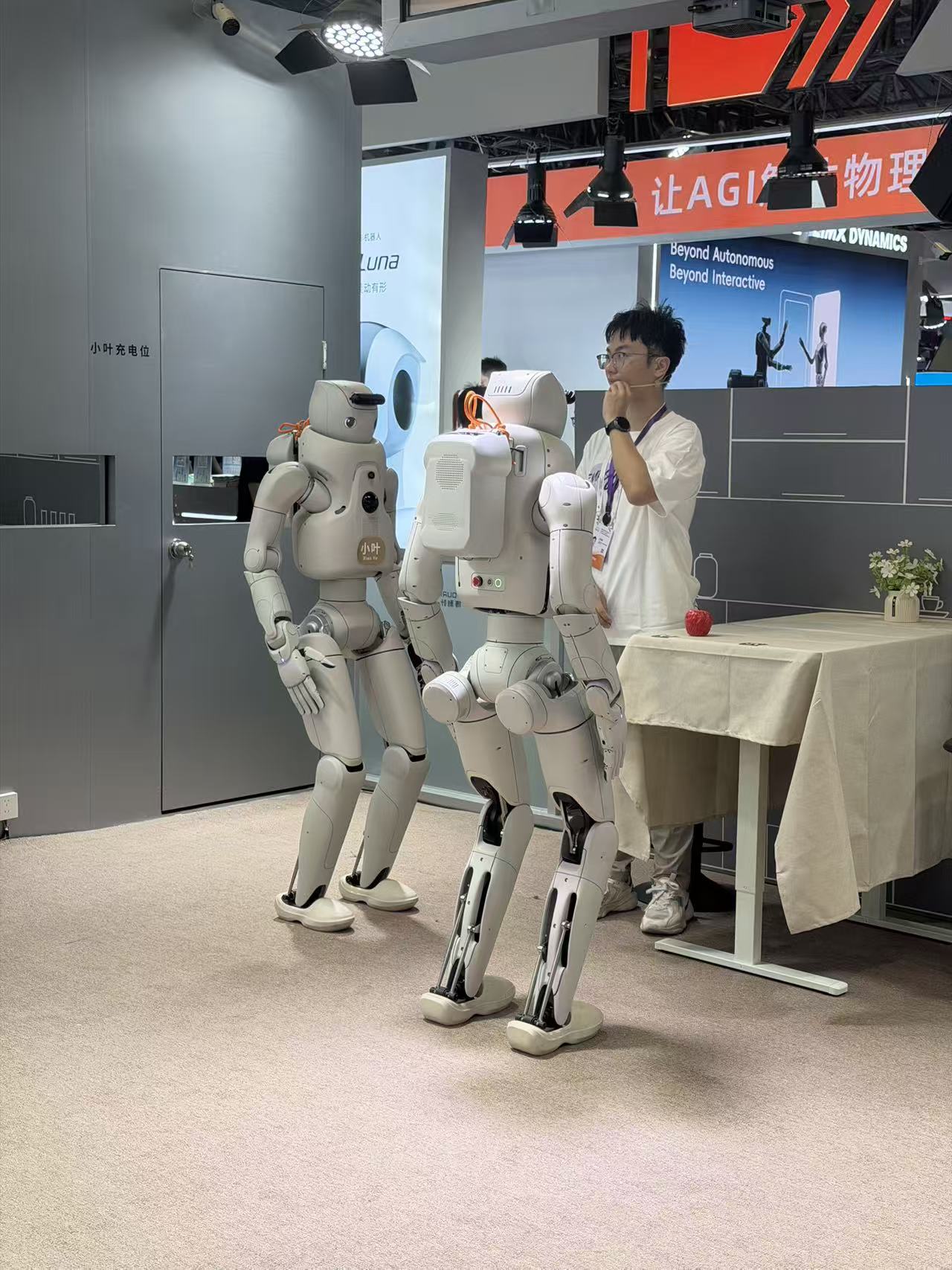
Smart glasses, taken apart, are usually a recombination of subtitle projection, recording, and a camera; AI voice recorders are still competing on battery life; the robot booths looked the liveliest, but most demos relied on pre-programmed motions or remote control and could barely complete a full task autonomously.
Out of three-hundred-plus robots, the only one that genuinely impressed me was Fourier. It at least showed me that a robot can be more than a set of pre-programmed motions performed for onlookers and cameras — it can keep pushing forward in motion control and real capability.
But most of the other products share the same predicament: the AI capability isn't theirs; only the hardware shell is. So in the end, all they can do is compete on shells, movements, and specs.
Layer Two: Model Middlemen
There were model-relay platforms hawking APIs, with promotional material still listing model names like Kimi 2.5 and GLM 5.1. The core value they offer is not technical breakthroughs but the information gap between customers and upstream models.
It's a thin-margin business: once upstream providers keep cutting prices, or customers gradually get familiar with calling models themselves, the middle layer's room gets compressed fast.
Layer Three: Thin Software
Bidding-and-tendering AI tools, platforms that generate an app from a single sentence — booth after booth, heavily homogenized. The core of many products is still "a model wrapper plus an industry Prompt," and the so-called moat looks more like a few months of head start.
Layer Four: AI Mysticism
For example, AI-powered traditional Chinese medicine tongue diagnosis. With this layer it's hard to even discuss "homogenization" — it's more like using AI to re-gild an existing mystical narrative.
The on-site marketing moves were just as misplaced. Kimi K3 itself was one of the worthwhile things to see at this expo, but the booth was simultaneously running a baffling promotion: spend over 2,000 yuan in one go and get a free football. That's classic FMCG street-promotion logic, and transplanted onto a model company it felt jarringly out of place — where would an ordinary consumer's single subscription generate a 2,000-yuan ticket size? Almost nobody at the venue claimed one.
Even the incentive design looked like a template copied from another industry. Many companies, perhaps, have never really thought it through: who their customers are, and why those customers pay.
It's Not That There's Nothing Real
Concluding from all this that "there's nothing real at this WAIC" wouldn't be fair either.
Fourier's robots showed me the places where hardware and control capability are genuinely advancing; the Kimi K3 booth showed that change is still happening at the model layer; and WorkBuddy's AI deployment demo directly answered the question I care about most: how does AI enter concrete work, instead of just spawning another chat box?
WorkBuddy especially. What it showed wasn't a vague word like "empowerment," but how AI actually enters specific business processes. A demo like this may not draw cameras the way a humanoid robot does, but it's far closer to real production than many stage slogans.
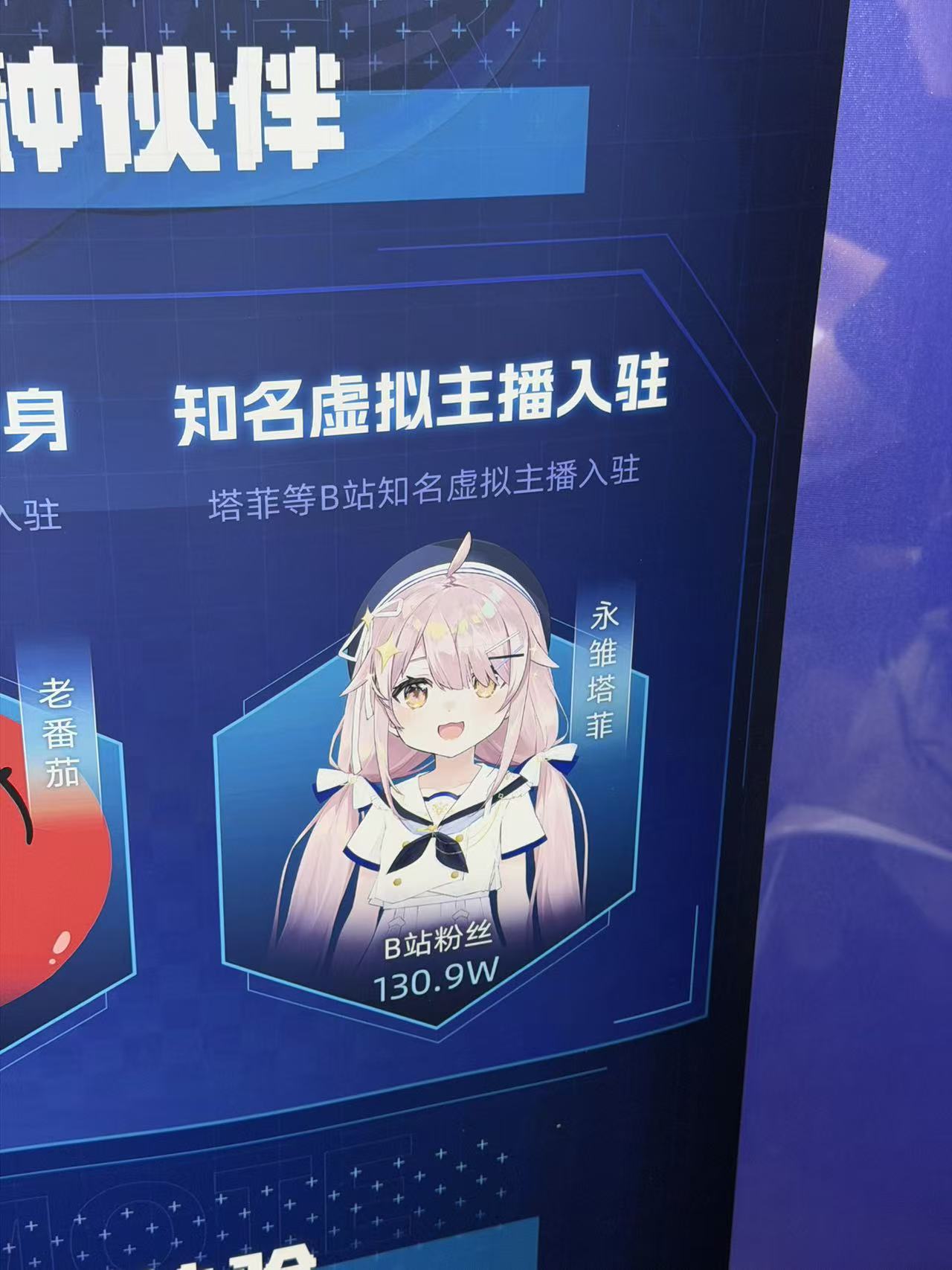
The problem is that this kind of valuable content is not the majority of the public exhibition areas. More frontier projects remain in closed-door forums, internal corporate systems, and undisclosed POCs; what's stacked on the public shelves is still, in large part, simple permutations of model capabilities, plus round after round of scan-the-code, follow-the-account, claim-a-prize traffic games.
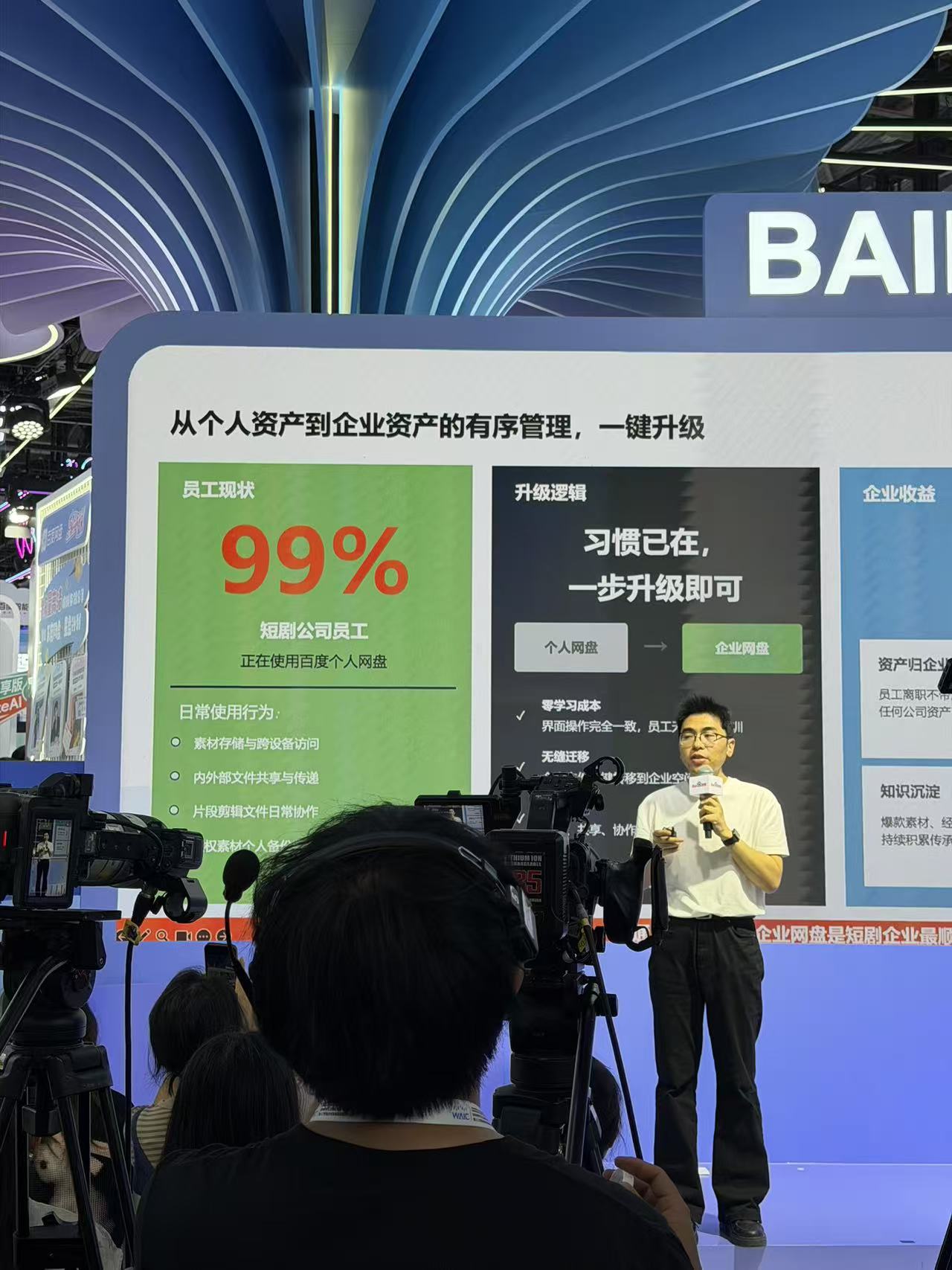
Later I realized this isn't simply a question of "whether the expo has good stuff" — it's a structural mismatch.
The AI that actually enters production workflows usually looks unglamorous and tedious: bid documents, ledgers, approval chains, document archiving. These things can't be built into a cool booth, can't be photographed into anything shareable, and don't fit into grand press releases.
So the more visible an "enterprise AI" is, the closer it tends to be to the parts that are photogenic, story-able, and tradable; the products truly embedded in production workflows are instead easily drowned out by lights, noise, and crowds. The reason WorkBuddy left an impression on me is precisely that it briefly crossed over this mismatch.
In other words: what an expo puts on display is the most tradable part of AI — not necessarily the most valuable part.
Symbols are sold to stock punters, specs are sold to consumers, booth stories are told to investors, and QR-scan data is handed over to the KPIs.

Five Years From Now
I have a very rough judgment: of the companies in this year's public exhibition areas, maybe fewer than 20% will still be alive in five years.
That number isn't actually pessimistic. Look back at past internet conferences, at the exhibitors of the "first year of VR," or at the attendee lists of blockchain summits — the eventual survival rates were roughly like this. The real question is: the attention and capital consumed by that 80% is, in essence, the same tuition fee as the money paid outside the hall by the people buying stocks and voice recorders.
The cognitive bubbles of the supply side inside the hall and the demand side outside it met each other at WAIC.
As for that robot that can't castle — five years from now, when we look back at this year's exhibitor list, who will still be on the board, and who will freeze the moment a real user steps outside the script? The answer will surface on its own.